Optimization wars: Coke vs Pepsi
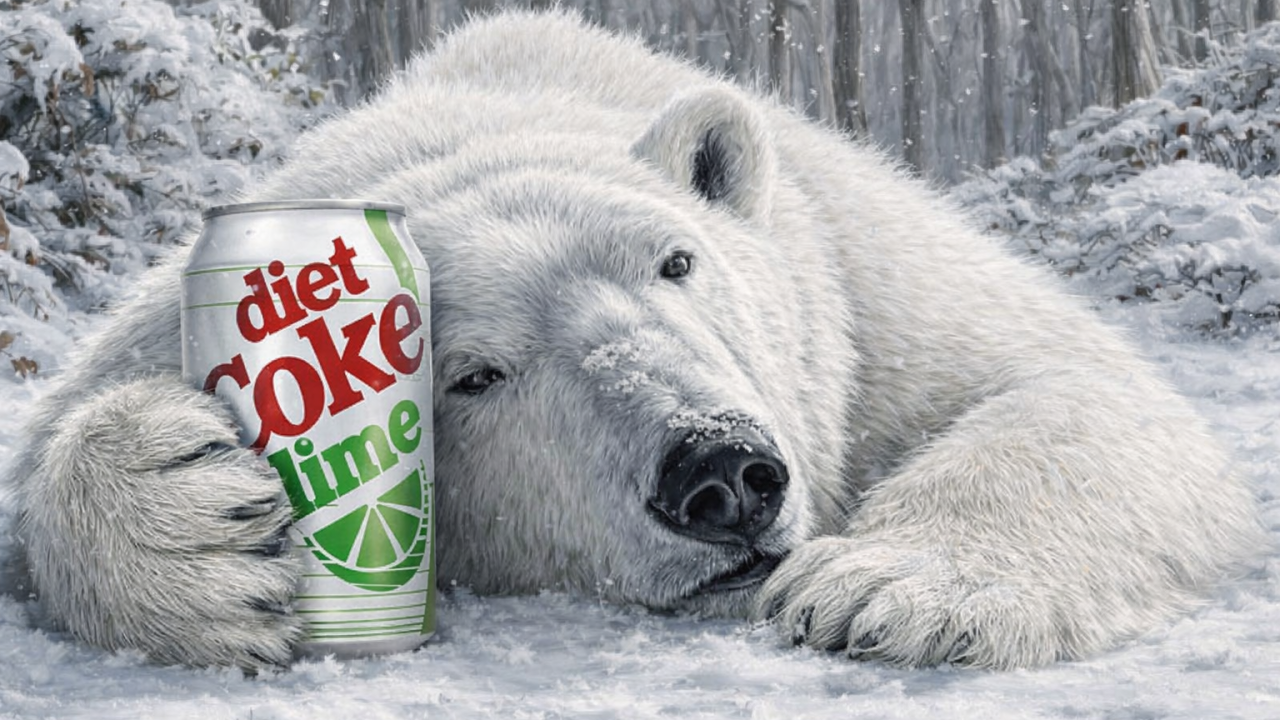
I’ve noticed something odd over the last few years. More and more public places I visit — movie theaters, airports, universities — are Pepsi only.
Meanwhile, The Coca-Cola Company keeps introducing flavors I really like… briefly. Then they disappear. Sometimes they return for a month. Then they’re gone again.
Anyone who knows me, will understand I’m a big Diet Coke drinker – it’s my caffeine of choice since I don’t drink tea or coffee. Yes, I’m an English guy who never drinks tea. From my humble perspective, it feels like Coke is losing out to Pepsi, but the numbers don’t necessarily support that… so I decided to dig in and find out what is really going on.
P.S. For full disclosure, I eat a lot of Pepsi snacks. So hopefully this article will be more balanced than my diet.
Success by the numbers
On paper, Coke is doing very well. Over the past five years, it has maintained industry-leading margins, grown beverage revenue from the high-$30 billions into the mid-$40 billions, and continues to control over 40% of the global carbonated soft-drink market. By any traditional financial measures, that is success.
In contrast, PepsiCo runs a lower-margin but broader business, with roughly twice Coke’s total revenue, much of it coming from snacks rather than soda. That difference turns out to matter more than it looks.
Part of Pepsi’s growing physical presence is structural. Pepsi doesn’t just sell soda — it sells a bundle. Its dominance in snacks allows it to win exclusive deals by offering venues a single integrated package: beverages, chips, marketing support, and pricing leverage.
Coke, which is far more beverage-focused, often can’t match that bundle without sacrificing margin. Which is why Pepsi keeps showing up everywhere, (at least all the places I go) even as Coke remains the stronger brand in abstract.
Creations and Limited Editions
One very interesting aspect of Coke’s approach is the use of Limited Edition flavors. Through its Creations program they have launched at least a dozen or so flavors in recent years, as far as I can tell. You may have seen some of these: Starlight, Byte, Dreamworld, some celebrity editions like one with Marshmello, K-Wave the K-Pop flavor, Ultimate (with League of Legends), an Oreo version that I never tried, and even one that was created by AI called Y3000.
I’m probably not the target audience for these. There was one flavor (and I can’t remember what it was called now) that tasted a bit like a peculiar English soda called Dandelion & Burdock, and I loved it for reasons of nostalgia. However, no sooner had I discovered this amazing flavor, when they removed it from all of the shelves. How, I asked myself, is this helping Coke? They get me hooked on a new flavor, take it away, and never bring it back?
Optimizing the Supply Chain
I could see that Coke were A/B testing some of these flavors, but I was puzzled as to what they were learning. After a little time, I realized they weren’t really testing whether a product should exist long-term. They were testing the system, not the brand. Limited-run flavors function less as product launches and more as probes. They measure price sensitivity, novelty effects, channel response, and cannibalization across the portfolio. A flavor can sell well and still fail if it mainly pulls volume from another Coke product.
This is almost certainly what is happening with my favorite drink – Diet Coke Lime. This was a mainstay of Coke up until covid, at least in my region, when it seemed to vanish from the shelves never to return. Just before Christmas, my mouth fell open when I discovered it back on the shelves of my local Stop & Shop grocery store, after an absence of five years. After a brief moment of delight, I noticed the ‘Limited Time’ packaging. I bought it for several weeks, until it vanished – and then reverted to buying ‘standard’ Diet Coke. What a company like Coke learns in this situation is that given a choice I buy the lime variety, but when that is not available, I buy the same quantity of standard product. In other words, my Lime sales cannibalize Diet Coke. They could quite reasonably ask, why bother producing it, given that it increases costs and complexity, if I don’t buy more?
These experiments feed Coke’s internal machinery: demand-forecasting models, bottler planning, shelf-space negotiations, and promotion timing. From an operational standpoint, this is rational. Short-run launches also create option value. A flavor or a demographic can be revived briefly without any long-term commitment. Nothing compounds, but nothing fully disappears either.
Rational, but is it good for the customer?
What’s interesting isn’t who’s “winning,” between Coke & Pepsi, but how these strategies feel to the customer. Coke increasingly behaves like a lean software company, doing rapid iterations and optimizing for value. Pepsi behaves more like a classic consumer staples company with longer commitments, predictable availability, and habit-building through presence.
A/B testing is powerful. It tells you what people will try. But it doesn’t tell you what people will miss. The problem with the Coke approach is what they are teaching their customers. When people learn that products are temporary, they adapt. They start forming new habits. They stop trusting availability.
As a family, we have begun trying new drinks, altering our buying habits. We are particular fans of Sprite Cranberry Zero, which is also a limited edition but comes out reliably every Christmas (at least, near us – and we live by lots of cranberry bogs!). We have also been drinking more ginger ale. The good news for Coca-Cola is that they own these brands too – but I will say we are venturing further afield in our tastes, too.
It’s a changing world
Coke could reasonably argue that soda is a mature, declining category in developed markets. Discipline matters more than sentiment. Portfolio complexity raises costs. Limited editions capture upside without permanent risk. That argument is coherent and financially, it’s working. But it trades habit for flexibility. Attachment for optionality. Continuity for optimization.
Pepsi may feel less innovative, but it feels more reliable. And I suspect that reliability compounds, and perhaps we will see Pepsi growing in popularity – even the Coke Polar Bear is having doubts – at least judging by this weekend’s Super Bowl advert ;)
This isn’t really about soda. The same pattern shows up in streaming services, airlines, apps, and even B2B software. Optimization is powerful – we know that VERY well at SWARM, and we see our customers saving $$$. Like any powerful tool, it needs to be wielded with care. Loyalty is cumulative. Once you train people not to care, it’s very hard to teach them to care again.
#bringbackdietcokelime :)